Man with a Van in Mile End

Our man with a van in Mile End service is set up for straightforward local removals, single-item transport and practical moving help when you want a flexible vehicle and careful handling. It suits homes, flats, shared properties and small business collections where a full-scale removal lorry may be more than you need. We focus on getting items moved safely, kept organised and delivered to the right place with as little fuss as possible.
Because every move has different priorities, the work can be shaped around loading support, transport only, or a fuller moving arrangement that includes packing help and careful placement at the destination. The important point is that the service remains clear: one van, one route plan, and a sensible approach to lifting, securing and carrying items so they travel well. If you are comparing options, pricing and quotes is a useful place to start before you request a quotation.
Mile End customers often need a service that can handle awkward access, shared entrances, side streets or tight parking without turning the job into a larger project than it needs to be. We keep the process practical, with attention to item protection, load order and timing. Whether you are moving a few pieces or a more varied household load, the aim is to make the transport side of the day feel well arranged from the first conversation to the final drop-off.
Flexible moving support for homes and smaller premises

A van-based move can cover a wide range of everyday tasks. For homes, that might include wardrobes, tables, boxes, white goods or a carefully planned room-to-room relocation. For smaller premises, it may involve stock, archive boxes, desks or display items that need to be moved without unnecessary disruption. The value of this kind of service is its balance: enough capacity for useful work, while still remaining adaptable for compact streets and access points.
We also support people who need help with home moves where the load is modest but still deserves proper lifting and protection. That can include properties where access is through stairs, internal corridors or narrow paths, and it may suit customers who want a more personal moving arrangement rather than a large team. Good planning matters here, because it helps organise the load and protects both the items and the property around them.
What the service can cover

In practical terms, a man and van arrangement can include collection from one address, delivery to another, and support with moving individual items between rooms or floors. It can also suit a partial move where only some belongings travel with you, or where bulky pieces need separate handling from smaller boxed contents. The service is often chosen for its ability to stay proportionate to the job rather than forcing everything into a one-size-fits-all removal plan.
Useful examples of work can include a piano-free furniture move, student contents, archive transfers, garage items or part loads that are too awkward for a personal car but do not justify a larger vehicle. If you need a broader overview of available services, the removal services page gives a helpful picture of the kinds of moving support that can be arranged. The exact scope depends on the item list, access and travel distance.
To help the job run smoothly, it is usually useful to note the main items, the number of floors, any parking restrictions and whether help is needed at both ends. A short written summary can make the quotation easier to shape accurately. This does not have to be complicated: a clear list is usually enough to show what should be moved, what needs extra care and whether the van will be carrying loose items, boxed contents or furniture.
Household collections, furniture and single-item transport
Not every booking is a full move. Many people simply need one or two bulky pieces collected and delivered without damage or delay. A van service is well suited to sofas, beds, cabinets, appliances and other items that are easier to move with proper equipment and experienced handling than with ad hoc arrangements. The same approach can also work for marketplace purchases and local pick-ups where the item needs secure transport rather than complex dismantling.
For people arranging furniture transport, the furniture pick-up page is a relevant option to explore because it reflects this kind of smaller, direct job. That may be useful when a new item has been bought, an old item is being passed on, or a piece needs moving out of a property before redecoration or replacement. Careful wrapping, lifting and stacking become especially important when items have finishes that can scratch or mark easily.
We can also help with a house movers style of job when the focus is on a more traditional home move, but still with a flexible vehicle and a manageable level of support. In these cases, practical decisions about loading order and access often matter more than the headline size of the move. A sensible plan protects the contents and helps keep the day steady, even if the collection point or delivery point is not straightforward.
Office and business moves handled with care
Commercial customers often need a removal service that respects working time, access control and the need to keep items in order. Desks, chairs, boxed files, small storage units and IT peripherals all need different handling, especially when items are mixed rather than packed uniformly. A van-based move can be a practical choice for businesses relocating part of an office, moving surplus furniture or transferring equipment between sites.
If your requirement is business-related, the office removals page is the clearest match within the site structure. That kind of move may involve a single room, a satellite office or a staged relocation where items are moved in sensible batches. Organisation is central to this work because office loads often need to be kept separated, labelled or delivered in a particular sequence so that reopening or setup is simpler at the other end.
For customers who need broader support across commercial premises, the commercial moves page reflects the same style of transport work in a wider business context. In practice, this can include small shops, workspaces, storage rooms or practical clearances where the aim is to move usable items without causing avoidable disruption. The right arrangement depends on the item type, access, and whether the move is taking place during or outside normal trading hours.
About Mile End

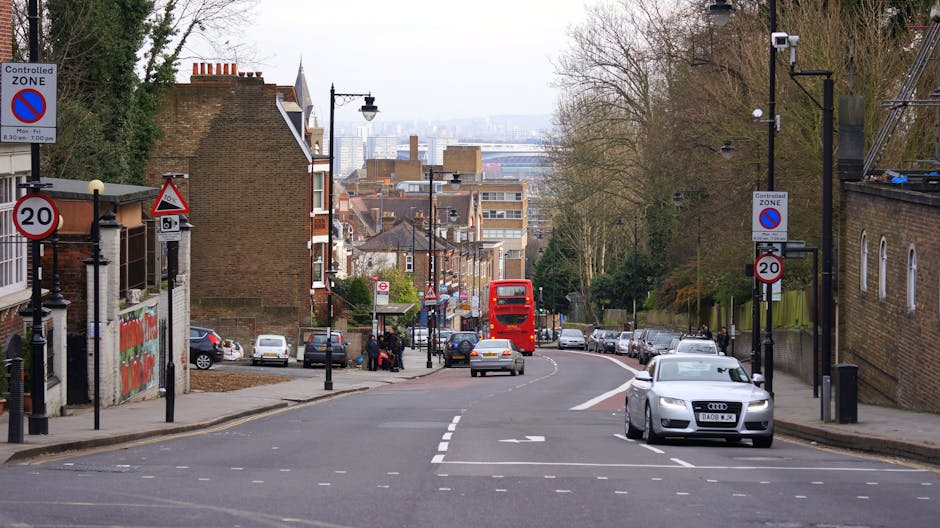
Mile End is a district in the London Borough of Tower Hamlets, in East London, set between Stepney, Bow and Bethnal Green. Its name is historically linked to a milestone on the old route east from Aldgate, marking a point along the Roman road that later became part of the commercial and civic fabric of London’s expansion. Over time the area has changed from a place on the edge of the city into a dense urban neighbourhood shaped by housing estates, transport links and campus buildings. One of its most recognisable landmarks is Mile End Park, a long green corridor that follows the line of former industrial land and offers space for walking, leisure and community use. The Regent’s Canal also runs nearby, bringing waterside routes, towpaths and industrial heritage into the local landscape. The district sits close to Queen Mary University of London, whose presence adds an academic dimension to the area and contributes to its varied building stock. Local architecture mixes post-war residential development, Victorian terraces and more recent regeneration schemes, creating a streetscape that feels layered rather than uniform. The area is also connected to wider East End history through migration, rebuilding and changing patterns of work, trade and residence, so its character reflects both continuity and reinvention. Public transport has long been important here, and the station and surrounding routes make Mile End a well-connected part of inner London with a busy, lived-in atmosphere.
Packing support and careful loading
Some customers only need transport, while others want extra help to get fragile or awkward items ready before they leave the property. Packing support can be useful where items are mixed, breakable or difficult to stack. It may involve grouping smaller belongings into manageable boxes, adding protection around delicate surfaces or separating items that should travel upright. The aim is not to overcomplicate the move, but to give the load a cleaner structure so that it can be handled safely and delivered in better condition.
The packing and unpacking services page is helpful if you want to see how that support fits into a broader move. A careful packing stage can make a noticeable difference to loading because well-prepared items are easier to carry, easier to position in the van and less likely to shift in transit. Good loading practice is not only about fitting everything in; it is also about weight distribution, access to the right items and protecting those things that should not be crushed or stacked.
When arranging a quotation, it helps to say whether anything is fragile, unusually heavy or likely to need two people to lift. That includes items such as mirrors, glass tables, specialist equipment or awkward furniture shapes. Even when a move is small, these details matter because they change the best way to load the van and the likely amount of handling required on site.
Storage transfers, local collections and onward delivery

A van service is often the right fit when items are travelling to or from storage, between households, or as part of a staged move that happens in more than one step. This sort of job benefits from clear timing and clean item separation, especially where boxes, loose belongings and furniture all travel together. When the collection and delivery are local, the work can usually be arranged around practical access rather than long-distance logistics.
For customers comparing moving vehicle options, the removal van page and the moving van page can help show the kind of transport solution that suits this work. Those terms often suit smaller or medium loads where flexibility matters more than scale. A van can be a sensible choice for storage runs, student moves, room clearances or a simple transfer of contents that need to remain together and easy to identify at the destination.
In some cases, the most useful part of the job is not the journey itself but the order in which things are loaded and unloaded. Keeping related items together makes the delivery side easier, and it can reduce time spent searching for essential belongings. If your move has several stops or needs the load split between locations, that should be mentioned early so the arrangement can be planned in a practical sequence.
Choosing the right removal option
Different moving pages on the site reflect different kinds of customer need, and it is worth matching the job to the likely scale. A simple van booking may be the best fit for one-off collections, while fuller removal terms suit house contents, office moves or larger multi-item jobs. The choice is less about labels and more about how much needs moving, how the items are packed, and whether you need loading help as well as transport.
If you are comparing related options, the man and van page offers a direct route to the same core service style, while the removals page gives a broader overview of the moving work available on the site. These pages are useful when you want to understand the difference between a small, flexible transport arrangement and a more structured removal job. A sensible quote starts with the real contents, not with assumptions about the size of the vehicle.
A few simple details usually help the decision process: what is moving, where it is going, whether any item needs dismantling, and if there are access issues at either end. If you have photos or an item list, they can make the quotation easier to shape, especially for heavier or awkward loads. The key is clarity, because a clear brief usually leads to a more accurate and practical response.
Quotations and the information that helps
When you ask for a quotation, it is useful to outline the main items, the collection and delivery points, and any special handling requirements. That may sound basic, but it gives the moving plan a proper starting point. A good enquiry does not need to be long; it just needs to be honest about volume, access and whether there are fragile, heavy or unusually shaped belongings in the load.
For a commercial or domestic move with a clear budget check, contact us is the best place to make an enquiry if you are ready to go ahead. Keep the scope clear and the quotation can be aligned more closely with the real work. If you are still deciding, a short summary of what needs to be moved is often enough to show whether a van-based option is the right match.
Our approach is straightforward: provide the details that matter, choose the service that fits, and then let the move be organised with attention to handling and timing. If you are planning a local move in Mile End, now is a good time to request a quotation and take the next step.