






Mile End Park road closures and van restrictions for removals
Posted on 30/07/2026
If you are trying to move in or around Mile End, the last thing you want is a van arriving at a road closure, a restricted access point, or a stretch of street where stopping is awkward at best. That is exactly why understanding Mile End Park road closures and van restrictions for removals matters. A move can feel straightforward on paper and then suddenly become a puzzle of loading bays, permit timing, awkward turns, and one-way streets.
This guide walks through what usually causes the disruption, how to plan around it, and how to make better decisions before moving day. It is written for real situations, not perfect ones. Because, let's face it, removals rarely happen in a vacuum. There are stairs, neighbours, traffic, and usually a box you wish had been packed yesterday.
To help with the wider move planning around the area, you may also find our Tower Hamlets parking permit guide for Mile End, tough-access removals advice, and Mile End removals guide for station-area moves useful alongside this article.
![A close-up view of a yellow rectangular street sign with bold blue lettering reading 'STREET ENDS NO OUTLET,' mounted on a metal pole against a background of blurred dark green and blue foliage. The sign is situated outdoors, indicating the termination of a street without an outlet, which could impact house removals or transportation routes. The background lighting suggests daylight, and the sign is clearly visible, providing essential information for residents and removal service providers planning logistics and moving activities in the Mile End area, especially amid local road closures and van restrictions as referenced on the Mile End Park page. This image captures the signage that may influence parking and vehicle routes during home relocation tasks involving [COMPANY_NAME], supporting efficient planning for furniture transport and packing during moves.](/pub/blogphoto/mile-end-park-road-closures-and-van-restrictions-for-removals1.jpg)
Why Mile End Park road closures and van restrictions for removals Matters
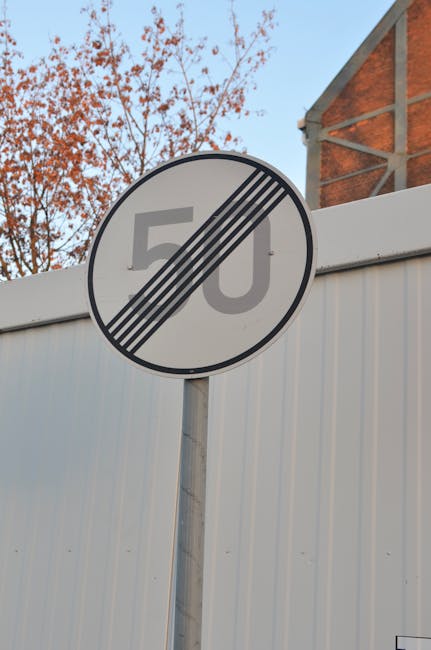
Road closures and van restrictions can change the shape of a move very quickly. A van that would normally pull up outside your building may need to stop further away, wait for a gap, or use a different route entirely. In an area like Mile End, where traffic flows, residential streets, and local access patterns can all interact, that delay is not just mildly annoying. It can affect labour time, parking costs, lift booking slots, and even whether heavy furniture can be moved safely.
The most obvious problem is time. A removal team works best when access is predictable. If a street closure appears late in the day, the crew may need to carry furniture much further than planned. That means more walking distance, more fatigue, and a higher chance of small mishaps. A sofa in a narrow stairwell is already a challenge; adding a long carry from the van can make the whole job harder than it needed to be.
There is also the stress factor. Moving day already comes with enough noise and pressure. You hear tape tearing, boxes sliding, maybe a neighbour opening a window to see what is going on. If the van cannot get near the property, people often scramble. And hurried decisions are where mistakes begin.
For that reason, good removals planning in Mile End is not just about having a van. It is about having a route, a parking plan, and a fallback if access changes. That is why customers moving flats, family homes, offices, or student rooms often do better when they build the transport plan around the area's restrictions rather than trying to improvise on the day.
How Mile End Park road closures and van restrictions for removals Works
At a practical level, the issue usually comes down to three things: where the van can legally stop, how the driver can reach the property, and whether there is enough space to load safely. When any one of those changes, the removal plan changes with it.
1. Temporary road closures
Temporary closures may happen because of roadworks, events, utility access, emergency works, or local traffic management. Even if a closure is not directly on your street, it can affect the route your van uses to reach you. A short detour can be harmless in one case and a real headache in another, especially if the van is large or the roads nearby are tight.
2. Vehicle access restrictions
Some streets are not friendly to larger vans. You may encounter width limits, height restrictions, or access controls that make a standard removal van less convenient than expected. In some cases, a smaller van is easier; in others, a larger van is still fine but needs a better approach angle and a cleaner parking window.
3. Parking and loading limitations
Even when the van can reach the area, stopping safely is another question. Double parking is not a plan. Nor is "just for a minute" if the street is busy or enforcement is active. This is where pre-arranged parking advice, sensible timing, and the right type of van become important. Our guide to avoiding hidden fees in Mile End removals explains why parking surprises often become cost surprises too.
4. Timing and resident flow
Mile End has the usual London rhythm: school runs, commuting traffic, lunch-time movement, weekend bustle, and the odd moment when a street feels strangely empty. If you miss that quieter window, the same access point can suddenly feel much tighter. A move at 8:00 am can behave very differently from one at 2:00 pm. You will notice this most when the van needs to reverse, wait, or unload near parked cars.
5. Building-level constraints
Sometimes the street is not the main issue at all. It is the building entrance, a shared courtyard, a gate, or a narrow path that creates the bottleneck. A removal team may arrive on time and still need a plan B. That is why a local assessment matters. It helps distinguish between "van access is possible" and "van access is actually efficient." Those are not the same thing.
Key Benefits and Practical Advantages
Planning around road closures and van restrictions is not just about avoiding pain. It gives you practical advantages that can make the whole move feel cleaner and calmer.
- Fewer delays: When the route is checked in advance, the van is less likely to arrive late or get blocked by avoidable traffic control.
- Safer handling: Shorter carries and better parking placement reduce strain on movers and lower the risk of damage.
- Better time control: More predictable access means fewer surprises with lift bookings, building handovers, or same-day schedules.
- Lower stress: A clear access plan takes pressure off you on the day. Simple, but genuinely valuable.
- More accurate quotes: When access is understood, pricing is less likely to drift because of unplanned labour time.
There is another benefit that people sometimes overlook: confidence. If you know the van can get close enough, you can focus on the moving itself. That might mean disassembling a bed, protecting the dining table, or just keeping a calmer head. It all adds up.
For property-specific preparation, our pages on flat removals in Mile End and house removals in Mile End are useful if your move involves stairs, shared entrances, or limited street space. If your furniture includes bulky items, see also furniture removals in Mile End and piano removals support in Mile End.
Who This Is For and When It Makes Sense
This topic is relevant to a lot more people than you might think. It is not only for big family houses or complicated office relocations. In practice, any move near Mile End Park can benefit from access planning.
- Students moving into or out of local flats: Short moves can still be difficult if the van cannot stop close to the property.
- Flat movers: Shared buildings often have awkward entry points, limited waiting space, and neighbours to consider.
- Homeowners: Even a straightforward house move can be thrown off by a temporary closure or a blocked road.
- Offices and small businesses: Time windows are tighter, and there is less room for guesswork.
- Anyone booking a man and van or removal van: Smaller jobs can be just as sensitive to access restrictions as larger ones.
If you are still at the planning stage, browsing removals in Mile End, removal services in Mile End, or man with a van in Mile End can help you match the move size to the right service style. For people with smaller loads, man and van Mile End may be enough. For more involved moves, a fuller removal van solution may be more sensible.
Step-by-Step Guidance
Here is a practical way to plan a move around Mile End Park access issues without overcomplicating it.
- Check your exact moving address and nearby approach roads. Do not rely on the general area name. The difference between two adjoining streets can matter more than people expect.
- Look for likely pinch points. Think about narrow turns, parked cars, busier junctions, and entrances that make reversing difficult.
- Decide what size van is realistic. Smaller is not always better, and larger is not always safer. The best size is the one that can actually access the property without drama.
- Confirm loading space and timing. If your building needs a particular slot, make sure the van booking and the building arrangement line up.
- Pack in a way that supports quick unloading. Keep essentials separate, label rooms clearly, and do not bury the kettle under winter coats unless you really enjoy a scavenger hunt.
- Build a fallback plan. If the van cannot stop directly outside, decide in advance where it can wait and how the walk-in carry will work.
- Keep communication open on the day. Driver, movers, and occupier should all know the plan. One confused phone call in the middle of traffic can waste ten good minutes.
A small but useful trick: group your boxes by room before the van arrives. When access is tight, fast identification matters. It reduces the stop-start feel that can happen when the team is searching for the right box while the unloading zone is under pressure.
If the move is already feeling stretched, same-day removals in Mile End may be a rescue option in some situations, though it still pays to have the route checked. And if you are booking at short notice because your schedule slipped, read our same-day removals advice for the sort of decisions that matter when the clock is not being kind.
Expert Tips for Better Results
After enough moves, a few things stand out. None of them are flashy. All of them help.
- Book access before the packing frenzy begins. Access is easier to solve when the rooms are still organised and the calendar is still flexible.
- Tell the mover about awkward entries early. A staircase, gate, or shared courtyard is not a minor detail. Mention it upfront.
- Use the quietest practical time slot. Even a thirty-minute shift can improve parking and loading conditions.
- Keep large items ready first. If the van window is short, prioritise the awkward furniture rather than leaving it to the end.
- Protect the route inside the property too. Hallways, thresholds, and communal areas matter as much as the street outside.
- Choose the right packing method. Good boxes, clear labels, and sensible weight distribution save time and effort. Our packing and boxes support and packing precision guide are a good pairing for this.
One thing people rarely say out loud: a slightly smaller, more manoeuvrable van can be the smarter choice if the road layout is awkward. Bigger is not automatically better. Sometimes it is just a longer vehicle with a larger turning headache. Not ideal.
For harder lifts, you may also want to read solo heavy lifting guidance and kinetic lifting benefits for safer handling. They are not about road closures directly, but they do help with the physical side of the day. And yes, the physical side is often where a moving plan starts to wobble.
Common Mistakes to Avoid
Here is where many Mile End moves go slightly sideways. Not disastrously, usually. Just enough to create stress and extra cost.
- Assuming access is the same as last time. A route that worked six months ago may be affected by temporary works or changed parking patterns now.
- Ignoring the final 100 metres. People plan the journey across London but forget the road immediately outside the building.
- Leaving parking decisions too late. If the van arrives before the space is ready, everything gets harder.
- Underestimating how much time loading takes. A short carry, repeated many times, can still be slow.
- Packing heavy items badly. A poorly packed box turns into a back problem waiting to happen. No drama, just reality.
- Not telling the movers about closures early enough. If they hear about a restriction once they are already nearby, the fix is usually more expensive and less elegant.
A common local mistake is assuming the mover can "just pull in somewhere nearby." Nearby is not always practical. In a busy part of London, "nearby" can mean a long walk, a blocked curb, or a spot that disappears the moment you need it. That little assumption creates more trouble than people expect.
Tools, Resources and Recommendations
You do not need a complicated setup to manage access issues well. But a few simple tools and habits help.
- Phone notes: Keep the access plan in one place, including entry details, parking notes, and arrival times.
- Photo reference: A couple of photos of the street, entrance, or loading area can be surprisingly useful when discussing the move.
- Room labels: Clear labels reduce unloading time and help the team stay organised when space is tight.
- Measuring tape: Worth having if you are unsure whether bulky items will fit through internal access points.
- Decluttering bag or donation box: Less clutter means fewer items to move, which often means less pressure on limited access windows.
For decluttering support, see the power of decluttering before a move. For cleaning and handover prep, our clean-home transition advice is worth a look. Small jobs, really, but they reduce the last-minute rush that tends to make access problems feel bigger than they are.
If your move includes specialist items or storage decisions, it may also help to review storage options in Mile End, sofa storage guidance, bed and mattress moving advice, and unused freezer storage care.
Law, Compliance, Standards, or Best Practice
When road closures and van restrictions are involved, the safe approach is to treat local access as something to verify rather than assume. In the UK, parking rules, loading restrictions, and access controls can be enforced locally and may change by location, time, or temporary traffic arrangement. Because of that, removals teams should work with the information available at booking stage and re-check access close to the move.
Best practice usually means the following:
- confirming whether a van can legally stop for loading or unloading
- checking whether any temporary roadworks or closures affect the route
- avoiding unsafe stopping positions, even for short periods
- making sure the move does not block emergency access, driveways, or building entrances
- planning manual handling carefully where access is restricted
For customers, the main point is simple: ask the awkward questions early. Where will the van stop? What happens if the space is taken? Is there a backup route? It may feel a bit over-cautious in the moment, but that caution saves headaches later. In our experience, a five-minute conversation at the start prevents a lot of muttering on moving day.
If you are choosing a provider, it also helps to review their practical policies and standards. You can learn more from the company pages on health and safety, insurance and safety, terms and conditions, and about the team. Those pages help set expectations before you book.
Options, Methods, or Comparison Table
Different moves need different approaches. The best choice depends on access, load size, timing, and how much walking distance the team can tolerate.
| Method | Best for | Pros | Possible drawbacks |
|---|---|---|---|
| Standard removal van | Medium to larger household moves | Good capacity, efficient for multiple items | May struggle in tight streets or restricted access areas |
| Smaller van | Compact flats, student moves, short local jobs | Easier to park and manoeuvre | May require extra trips if the load is large |
| Man and van | Light to moderate loads with flexible timing | Simple, adaptable, often suitable for short distances | Not always ideal for complex or bulky removals |
| Full removals team | Heavier homes, furniture, or business moves | More labour, better handling of awkward items | Needs stronger planning and usually more coordination |
There is no single best answer here. A student moving a few streets away may need little more than a well-timed van and a sensible loading slot. A family moving from a top-floor flat with a sofa, mattress, and wardrobe may need a fuller setup. If the route near Mile End Park is restricted, the ability to change method matters more than people expect.
Case Study or Real-World Example
A common local scenario goes like this. A resident books a morning move from a flat not far from Mile End Park. The original plan is simple: the van parks outside, the team loads quickly, and the keys are handed over by lunchtime. Nice and tidy.
Then the day before the move, a temporary restriction changes the available stopping point. Nothing dramatic. Just enough to affect the original plan. Instead of parking right outside, the van needs to use a different side street and the team has to carry items a little further.
Because the move had been discussed in detail beforehand, the team already knew which items were most awkward, which boxes were fragile, and which pieces needed to come out first. The result was not perfect, but it was controlled. The bed frame came out in sections, the kitchen boxes were labelled clearly, and the heaviest items were handled while everyone still had energy. The whole thing took longer than planned, yes, but it stayed orderly.
That is the main lesson. Access changes do not automatically ruin a move. They become a problem when nobody has a fallback. If you prepare for the "what if the van cannot stop there?" question, the rest becomes much easier to manage.
That same principle applies to smaller local jobs too, from short-distance moves in Mile End, Victoria Park and Bow to student moves around the area. A little planning goes a long way.
Practical Checklist
Use this before moving day. It keeps things grounded.
- Confirm the full pickup address and any nearby access restrictions
- Check whether the van can legally stop close enough to load safely
- Ask about temporary road closures, works, or event-related disruption
- Decide which items need to go first
- Measure bulky furniture if internal access is tight
- Label boxes by room and by priority
- Keep essentials separate for immediate access
- Plan a fallback parking or unloading point
- Share timing details with everyone involved
- Review the moving provider's safety and insurance information
If you are still narrowing down the right type of move, useful starting points include student removals in Mile End, office removals in Mile End, house removals in Mile End, and pricing and quotes.
Conclusion
Mile End Park road closures and van restrictions for removals are not just a background issue. They shape how easy, safe, and affordable your move feels on the day. If you leave access planning too late, you often pay for it in time, energy, and avoidable stress. If you plan it properly, the whole move feels steadier from the first box to the last chair.
The real win is not perfection. It is control. A sensible route, a realistic van choice, and a clear backup plan can turn a potentially messy move into something much calmer. And that calm matters. Especially in London, where one unexpected closure can change the mood of the whole morning.
Get a free quote today and see how much you can save.
For a team that understands local access issues and moving-day pressure, start by learning more about the company at our about page or get in touch through the contact page. If you want a move that feels organised rather than improvised, that is a very good place to begin.
![A close-up view of a yellow rectangular street sign with bold blue lettering reading 'STREET ENDS NO OUTLET,' mounted on a metal pole against a background of blurred dark green and blue foliage. The sign is situated outdoors, indicating the termination of a street without an outlet, which could impact house removals or transportation routes. The background lighting suggests daylight, and the sign is clearly visible, providing essential information for residents and removal service providers planning logistics and moving activities in the Mile End area, especially amid local road closures and van restrictions as referenced on the Mile End Park page. This image captures the signage that may influence parking and vehicle routes during home relocation tasks involving [COMPANY_NAME], supporting efficient planning for furniture transport and packing during moves.](/pub/blogphoto/mile-end-park-road-closures-and-van-restrictions-for-removals3.jpg)

