




Tower Hamlets removals rules for parking permits in Mile End
Posted on 04/07/2026
If you are moving in Mile End, parking can be the part that quietly turns a calm removal into a stressful one. The street looks straightforward at 8 a.m., then by the time the van arrives, every bay is full, a loading sign is half-hidden behind a tree, and someone is already asking how long you plan to stay. That is exactly why Tower Hamlets removals rules for parking permits in Mile End matter so much: they affect timing, access, costs, and whether your move feels organised or messy from the start.
This guide explains how parking permits typically work for removals in Mile End, what to check before moving day, and how to avoid the most common mistakes. It is written for real-life moves, not theory. If you are planning a house move, a flat move, or a business relocation, a little parking planning now can save a lot of faff later.
Why Tower Hamlets removals rules for parking permits in Mile End Matters
Mile End is busy, built-up, and often awkward for vehicle access. That is not a complaint, just reality. Narrow residential streets, permit bays, controlled parking zones, school runs, and general London traffic all make removals trickier than people expect. If your van cannot park close enough to the entrance, every box has to be carried further. That means more time, more labour, and more chances for something to get scratched, dropped, or delayed.
For removals, parking is not just about convenience. It affects whether the crew can work safely and efficiently. A van parked legally and close to the property can reduce lifting distance, help protect furniture, and keep the whole schedule on track. A van parked badly, even for a short time, can create fines, complaints from neighbours, or an awkward knock on the window when you are mid-carry. Nobody wants that during move day. Truth be told, it is one of those details people only notice when it goes wrong.
There is also the customer side of it. If you are booking a man with a van in Mile End or a full removal team, parking arrangements help shape the quote, the timing, and sometimes even the type of vehicle used. In practice, the best moves are usually the ones where the parking plan is sorted before the first box comes out.
How Tower Hamlets removals rules for parking permits in Mile End Works
In broad terms, removals parking in Tower Hamlets depends on where the property is, what restrictions are in place on the street, and whether the vehicle needs a permit, dispensation, or loading allowance. Different roads in Mile End can have different rules, so you cannot safely assume that one street behaves like the next one over. A bay on one side might be resident-only, while a nearby section allows limited loading at certain times. London loves a sign, after all.
The key thing is to check the local parking controls before the move. For example, you may need to confirm:
- whether the street has permit-controlled bays
- if there is a specific loading restriction or time limit
- whether a commercial removals vehicle needs advance permission
- if parking suspension or a temporary arrangement is required
- how close the van can legally stop to the property entrance
Some removals can be done using only the standard loading space rules, while others need a more formal arrangement because the van will be on street for longer. The bigger the move, the more important this becomes. A small flat move near Mile End can sometimes be managed with careful timing and a short loading window, whereas a larger house move or office relocation may need more structured parking planning.
If the access is tight, it is worth thinking about the move in layers: parking first, loading route second, lifting third. That sequence may sound overly cautious, but it tends to work.
For more on how access and parking can interact during a move, you may also find our guide to tough-access Mile End removals useful.
Key Benefits and Practical Advantages
Getting parking right does more than avoid fines. It changes the whole tone of the move. Here are the main benefits people usually notice:
- Less lifting distance: shorter carries mean lower risk of damage and fatigue.
- Faster turnaround: the team can load and unload more efficiently.
- Lower stress: no one wants to negotiate with traffic while balancing a wardrobe.
- Better safety: legal parking reduces rushed movements and awkward roadside manoeuvres.
- Cleaner communication: everyone knows where the van is meant to be and for how long.
There is a practical knock-on effect too. When parking is sorted, packing and loading decisions become easier. Heavy furniture can be scheduled for the shortest route. Delicate items can be carried in a calmer, more deliberate way. If you have already spent the week surrounded by boxes, tape, and the usual moving chaos, that kind of order is a relief.
It also helps if you are trying to keep costs under control. Delays caused by bad parking can increase labour time and, in some cases, trigger extra charges. If you are comparing options, this is one reason why a quote is not just about van size. It is about access, timing, and local conditions too. Our guide to avoiding hidden fees in Mile End removals covers that side of the move in more detail.
Who This Is For and When It Makes Sense
This topic matters to almost anyone moving in Mile End, but some people feel it more sharply than others.
You will want to pay extra attention if you are:
- moving from a flat with limited on-street space
- relocating from a busy road near shops or stations
- using a larger removal van or lorry
- moving on a weekday when bays fill quickly
- coordinating a student move with a short time window
- handling office furniture or equipment that needs close access
Students, for example, often underestimate the parking side of a move. Bags, boxes, and bits of furniture might seem manageable until you discover the van cannot stop right outside the building. That extra distance is fine on paper, but in a drizzle, on a staircase, or after a long day, it becomes harder than expected. If that sounds familiar, our student removals in Mile End page and the related article on student removals near Queen Mary University Mile End E3 may help you think through the practical side.
Home movers also need to think carefully if they have bulky items such as wardrobes, sofas, beds, or appliances. The less room you have to manoeuvre, the more parking access matters. If you are moving larger furniture, it can be worth reading up on furniture removals in Mile End and the specific advice in bed and mattress moving.
Step-by-Step Guidance
Here is the simplest way to approach parking permits and removals in Mile End without overcomplicating it.
- Check the street restrictions early. Look at the road where the van would actually stop, not just the postcode. Two adjacent streets can have different rules.
- Measure the move properly. Think about van size, number of items, loading time, and whether there are stairs or awkward corners.
- Identify the safest loading point. The closest space is not always the best if turning, reversing, or visibility is poor.
- Decide whether a permit or parking arrangement is needed. Some moves work within normal loading rules; others need advance action.
- Build in a time buffer. Traffic, neighbours, and access issues can all eat into your schedule faster than expected.
- Confirm the plan in writing. If you are using a removals company, make sure the parking plan has been discussed and agreed.
- Prepare the property. Keep entrances clear, protect floors if needed, and make the carrying route as simple as possible.
A lot of people skip step one and jump straight to hiring a van. That is usually where the hassle starts. To be fair, it is an easy mistake. Moving is already full of things to remember, and parking feels like a minor detail until it suddenly is not.
If your move is time-sensitive, the best plan is often to sort the parking as soon as the date is fixed. For urgent situations, our page on same-day removals in Mile End and the article about same-day removals when delays threaten your move give a useful sense of how quickly timings can tighten.
Expert Tips for Better Results
Over the years, the small details make the biggest difference. Here are the habits that tend to save the most trouble.
- Plan for the van, not the dream version of the street. A road may look roomy, but once bins, parked cars, and delivery vehicles are in place, the reality is different.
- Choose the right arrival time. Early starts often help in Mile End, especially on busier streets and near transport links.
- Keep the route short and clear. If you can park closer to the door, do it. If not, clear a path inside so the carry remains smooth.
- Protect the items that are hard to replace. Mirrors, TV screens, and furniture corners are the things that suffer when a move gets rushed.
- Match the service to the access. For some moves, a smaller vehicle is smarter than forcing a larger one into a tight street.
If you are still organising the rest of the move, it helps to line up the packing side at the same time. Our packing and boxes in Mile End service, plus the article on packing with precision and ease, can make the whole process a bit less frantic.
One small practical note: keep your keys, permits, contact numbers, and a bit of cash or card access together in one pocket or bag. Not glamorous, but very useful when things get busy. And yes, the last thing you want is a permit note buried under a pile of tea towels.
Common Mistakes to Avoid
Most parking problems in removals are preventable. The trouble is, people usually only realise what went wrong after the van has already arrived. Here are the common traps.
- Assuming parking is "fine" because other cars are there. Other vehicles may have permits, exemptions, or very different circumstances.
- Leaving permit checks until the day before. That is cutting it too fine in a busy area.
- Forgetting about unloading time. A short stop is one thing; a full removal can take much longer.
- Ignoring height, width, or turning restrictions. Some streets look okay until the van tries to manoeuvre.
- Not warning the building or neighbours. Small courtesy goes a long way, especially in shared blocks and narrow terraces.
- Booking the wrong vehicle size. Too small means extra trips; too large can mean parking headaches and delays.
There is also a hidden emotional mistake: underestimating how tiring carrying things becomes when the parking is poor. A sofa that is manageable over 15 metres can feel very different over 60. That extra distance adds up quickly. If solo lifting is part of your move, our article on solo heavy lifting is worth a look.
Tools, Resources and Recommendations
You do not need a giant toolkit to handle parking for a Mile End removal, but a few practical resources can make the job easier.
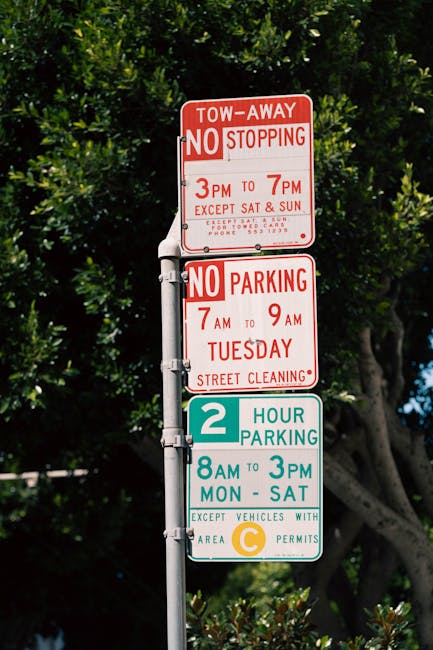
- Street signs and bay markings: check them carefully, and more than once.
- Property access notes: stair count, lift access, doorway widths, and entry codes all help.
- Move-day contact sheet: have one person responsible for parking decisions.
- Photo notes: a quick picture of the road, bay sign, or access point can help if anything changes.
- Professional removals advice: experienced movers often spot access issues before you do.
If you want a broader view of how a move is planned from start to finish, our services overview is a useful place to start. You may also find the articles on moves near Mile End Tube Station and short-distance removals to Victoria Park and Bow helpful if your route stays local.
For customers who want a better sense of costs and how access affects them, our pricing and quotes page is a useful reference.
Law, Compliance, Standards, or Best Practice
Parking and removals in London sit within local parking controls and wider road rules, so it is wise to treat them seriously. I will keep this plain: if a street has restrictions, you should assume they apply unless you have confirmed otherwise. That means reading the signs, checking the times, and making sure the vehicle is allowed to stop where you want it to stop.
From a best-practice point of view, a move should avoid creating unnecessary obstruction, should keep pedestrians safe, and should not rely on guesswork. If a removal vehicle needs special access or extended loading time, it is better to plan that properly rather than hope for the best. Hope is lovely. Not a parking strategy, though.
There are also practical compliance points around property management. Some blocks expect advance notice for large deliveries or removals, and some landlords or managing agents want the move booked into a certain window. For offices, loading arrangements can be even more sensitive because of business traffic, staff access, and building rules. If that is your situation, take a look at office removals in Mile End and the related article on Bancroft Road businesses.
Best practice also includes safety policy awareness. A good removal team should work in a way that keeps people, property, and vehicles safe. Our health and safety policy and insurance and safety pages set out the kind of standards customers should expect from a professional service.
Options, Methods, or Comparison Table
There is more than one way to handle parking during a Mile End move. The right approach depends on the building, the street, and the size of the job.
| Method | Best for | Pros | Limits |
|---|---|---|---|
| Standard on-street loading | Small or quick moves | Simple, often fast, minimal paperwork | Not suitable where restrictions are tight or loading takes longer |
| Planned permit or permission-based parking | Most residential removals | More reliable, less risk of disruption | Needs early checking and coordination |
| Temporary parking suspension or special arrangement | Busy streets, larger vans, difficult access | Closest possible access, better control over the move | Usually needs more lead time and careful organisation |
| Off-street loading point with short carry | Buildings with forecourts, drives, or private access | Can be very efficient if available | Not common in dense parts of Mile End |
In practice, the best method is usually the one that reduces walking distance without breaching the parking rules. That sounds obvious, but people often skip straight past the obvious bit and regret it later.
If you are deciding between service types, the pages for man and van Mile End, removal van Mile End, and removal services Mile End can help you compare what feels most suitable for the job.
Case Study or Real-World Example
Here is a realistic example. A couple moving from a second-floor flat near Mile End needed to clear a one-bedroom property before lunchtime. On paper, it looked easy enough. In reality, the street had limited parking, a few permanent residents' bays, and the nearest legal stop was further away than they expected. The first plan was to use a standard van and hope a space appeared. That would probably have turned into a long wait and a lot of carrying.
Instead, the move was broken into two parts. The parking position was checked the evening before, the loading route was cleared inside the flat, and the van arrived early enough to use the best available space. Not perfect, not glamorous, but it worked. The team kept the flow steady, the sofa got out without drama, and the customers were not still sweating over a final chair at 1 p.m. Small win, big relief.
That is the real lesson with Tower Hamlets removals rules for parking permits in Mile End: most issues are not dramatic. They are cumulative. A slightly bad parking decision becomes a longer carry. The longer carry becomes a slower load. The slower load becomes a stressed customer. It builds quietly.
If your move includes bulky items, the same logic applies to furniture-specific planning. Our sofa storage guidance, piano moving article, and piano removals in Mile End all touch on careful handling when access is tight or timing matters.
Practical Checklist
Use this as a quick move-day check before the van arrives.
- Confirm the exact street and loading point.
- Read the parking signs for bays, timings, and restrictions.
- Check whether advance permission or a parking arrangement is needed.
- Make sure the removals vehicle size suits the access.
- Tell the building, landlord, or neighbours if appropriate.
- Keep the loading route inside the property clear.
- Protect floors, walls, and door frames where needed.
- Have keys, contact numbers, and paperwork ready.
- Build in a time buffer for traffic and access delays.
- Double-check the plan before the team starts unloading.
Quick expert summary: in Mile End, parking is rarely an afterthought. It is part of the move itself. If you handle it early, everything else becomes calmer, safer, and usually cheaper. If you leave it late, it tends to announce itself with a sigh, a queue, or a ticket. Not ideal.
For a smoother overall move, our articles on crafting a seamless and stress-free move, decluttering before you move, and ensuring a clean home before handover are worth a read.
Conclusion
Tower Hamlets removals rules for parking permits in Mile End are not something to leave to luck. Parking affects every part of a move: timing, safety, carrying distance, cost, and the overall mood of the day. Get it right, and the move feels organised. Get it wrong, and even a small flat removal can suddenly feel twice as hard.
The good news is that most parking problems can be avoided with a bit of early checking and a realistic plan. Know the street, understand the restrictions, choose the right vehicle, and leave yourself enough breathing room. It really does make a difference.
And if you are at the stage where you want the practical details handled properly, speak to a team that understands Mile End access and local parking pressures. You will thank yourself later, probably while standing in a new home with the kettle on and the last box finally gone.
Get a free quote today and see how much you can save.