Mile End Road removals access and timing tips
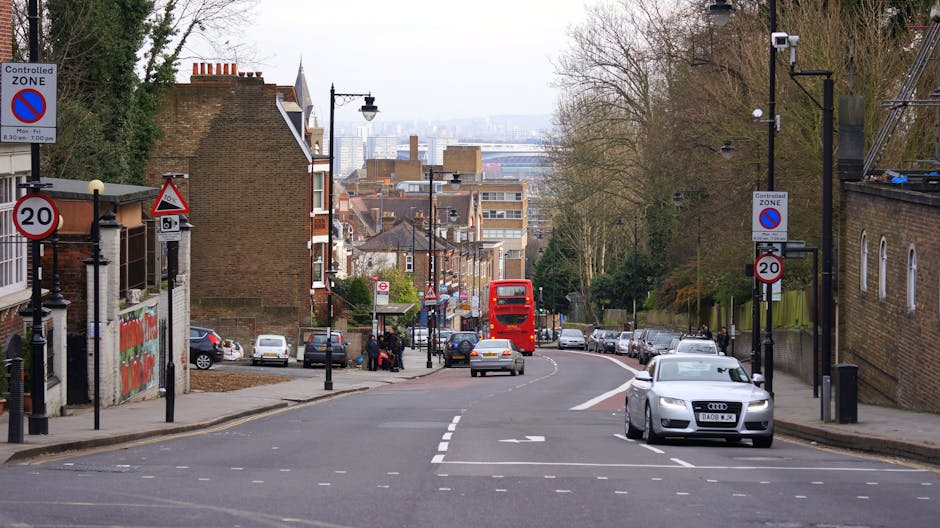
If you are planning a move on or around Mile End Road, the biggest challenge is often not the lifting, but the logistics. Narrow loading space, busier traffic patterns, awkward building entrances, and the simple fact that timing can make or break the day all matter. These Mile End Road removals access and timing tips are here to help you plan properly, avoid avoidable delays, and keep the move calm from the first box to the last.
Truth be told, a well-timed move in East London can feel completely different from a rushed one. Get the arrival window wrong and you may end up circling for space, blocking a doorway while someone frowns at their watch, or losing half an hour to a badly parked van. Get it right and the whole thing feels almost tidy. Not luxurious, exactly. Just controlled. And that helps more than people expect.
In this guide, we will cover the access issues you are likely to face, the best times to move, how to brief your removals team, and the practical checks that make life easier on the day. You will also find a checklist, a comparison table, and a few realistic examples from the kind of situations people run into in London every week.
Why Mile End Road removals access and timing tips Matters
Mile End Road sits in a part of London where a move is shaped by more than just distance. Traffic can build quickly, parking space can be limited, and access points are not always as straightforward as they look on a map. That is why access and timing should be treated as part of the move itself, not as an afterthought.
For house removals, the main issue is often the time needed to get a van close enough to the entrance. A few extra metres with a sofa or wardrobe sounds manageable until you are doing it through a busy pavement with passers-by, bikes, bins, and a staircase that seems to have been designed by someone with a grudge. For business moves, the pressure can be different: you may need to protect opening hours, avoid peak client traffic, and keep staff disruption low.
There is also the knock-on effect. A delayed arrival means less time for loading. Less time for loading means a rushed unpack, or a second trip, or both. And nobody wants that at 4.30 in the afternoon with a kettle still in a box somewhere. Getting the access and timing right reduces stress, protects your belongings, and helps the removals team work efficiently.
If you are comparing moving support options, it can also help to review removals, man and van services, or more structured house removals depending on the size and complexity of the job. The right service is often the one that fits the road, the building, and the clock.
How Mile End Road removals access and timing tips Works
Good planning starts with a simple question: what will the van actually be able to do when it arrives? That sounds obvious, but in practice many move plans focus on what is being moved and not enough on how the vehicle will reach the property, where it can stop, and how long it can stay there.
The access side usually covers four things. First, where the vehicle can load. Second, whether the entrance is suitable for trolleys or shoulder carrying. Third, whether there are stairs, lifts, intercoms, or key-fob entry systems that slow things down. Fourth, whether any neighbours, loading restrictions, or narrow side streets make the job more complicated than expected.
The timing side is about choosing a window that matches the road conditions and the property type. Early morning can be useful because streets are often calmer, but not every building allows very early activity. Midday can work for quieter residential jobs, though traffic and parking may be less forgiving. Late afternoon is sometimes the noisiest, busiest part of the day. So the best slot depends on the move, not just the clock.
This is where an experienced team can help. A good removal company or a flexible man with a van service will ask about road access, floors, van size, and loading distance before the day even starts. That is not paperwork for the sake of it. It is what stops a routine move turning into a minor drama outside the front door.
Key Benefits and Practical Advantages
When access and timing are planned properly, the benefits are immediate. The most obvious one is speed. If the vehicle can park close to the property and the route from door to van is clear, loading becomes faster and safer. Fewer steps. Fewer pauses. Less chance of something scraping a wall or bumping a bannister.
There is also the money side. Even if your removals service charges fairly, wasted time still costs something, whether that is additional labour, extra vehicle time, or the expense of an avoidable second trip. Planning well is one of the few ways to reduce moving friction without cutting corners.
Then there is the stress factor. People underestimate how much calm the right schedule creates. If you know the van is coming in a sensible window, you have room to finish final packing, disassemble furniture properly, and do a last walk-through without the whole day feeling like it is running away from you.
Here are a few practical advantages people notice most often:
- shorter loading and unloading times
- less risk of blocked access or parking disputes
- better protection for furniture and fixtures
- more predictable arrival and completion times
- less disruption to neighbours, staff, or building management
Small details matter too. A clear path from the property to the vehicle, a front door left propped open safely during loading, and boxes grouped by room can shave minutes off every round. It sounds minor. It is not.
Who This Is For and When It Makes Sense
These tips are useful for almost anyone moving near Mile End Road, but they matter most if your move involves shared entrances, limited parking, older buildings, or a tight schedule. That includes flat moves, student moves, small office relocations, and one-off deliveries of large furniture.
If you live in a lower-ground or upper-floor flat, you will already know that the distance between the front door and the van can be more important than the distance across London. One resident may be moving two streets away, yet still need a carefully timed slot because the building access is awkward. Another may be moving further but from a house with a better driveway and a wider road. Different problem, same principle.
It also makes sense if you are arranging a commercial move. Office relocations often need tighter coordination because staff, equipment, and opening hours all compete for the same window. In those cases, services like office removals or commercial moves may be a better fit than a simple one-item van job.
And if you need help with the physical side as well as the logistics, packing and unpacking services can be useful. Let's face it, the last thing anyone wants is to be hunting for cutlery while the driver is waiting and the hallway is full of coats and cables.
Step-by-Step Guidance
Here is a practical way to plan a move on or near Mile End Road without overcomplicating it.
- Check the access from street to property. Look at the width of the pavement, the presence of steps, door buzzers, lifts, and any tight corners inside the building.
- Measure the bulky items. Sofas, wardrobes, mattresses, desks, and white goods often decide the van size and whether anything needs dismantling.
- Decide where the vehicle can stop. If a van cannot park directly outside, estimate the carrying distance and whether the route is safe and practical.
- Choose a sensible time window. Avoid peak congestion where possible, and think about school-run traffic, local deliveries, and busy commuter periods.
- Tell the removals team about restrictions early. Mention stairs, no-lift access, restricted loading, entry codes, and any items that need extra care.
- Prepare the property before arrival. Clear hallways, remove trip hazards, and keep boxes grouped by room so loading starts quickly.
- Keep a buffer in the schedule. A realistic buffer is better than a perfect plan that collapses because a key handover, parking delay, or missing box throws everything off.
That last point is worth underlining. A move that looks like it will take two hours can easily stretch if access is awkward. Not because anyone has done anything wrong, just because buildings and roads have their own opinions.
If you are still figuring out the best setup, a moving van or removal van may suit smaller jobs, while a larger move may need a moving truck. The key is not picking the biggest option automatically. Pick the one that matches the access.
Expert Tips for Better Results
In practice, the best moves are usually the ones where someone has thought through the boring bits in advance. The glamorous part is the new home or office. The unglamorous part is making sure a van can actually get there without improvising on the pavement.
Tip 1: Aim for the quietest practical time, not just the earliest one. Very early starts can help with traffic, but only if the property allows it and everyone involved is ready. No one benefits from a 6:30 start if the keys are still with someone else and the kettle has not even boiled.
Tip 2: Keep one person responsible for access checks. A single point of contact avoids mixed messages. One person confirms the entrance, the parking location, the lift booking, and the arrival time. Simple. Very useful.
Tip 3: Pre-position the items you want loaded first. If the van is close to the door, the first few large items can go out quickly while the team finds its rhythm. That momentum matters more than people think.
Tip 4: Protect the route. If the doorway is tight or the weather is damp, use covers, mats, or cardboard to reduce slips and scuffs. London mornings can be a bit slick, especially after rain, and nobody wants a muddy footprint on the stair carpet.
Tip 5: Build in the unexpected. A broken lift, a delayed key handover, or an extra set of stairs can happen. When you allow a little breathing room, the whole day feels more manageable.
If you are comparing providers, you may also want to look at broader support such as removal services, movers, or a more specialised house movers option for household relocations. Different jobs need different levels of support, and there is no prize for using a more complicated setup than you need.
Common Mistakes to Avoid
A lot of moving stress comes from a few predictable mistakes. The good news is they are all avoidable.
- Underestimating parking distance. Ten metres versus thirty metres may not sound like much until you are carrying a heavy chest of drawers.
- Not checking the building rules. Some properties have restrictions on moving hours, lift use, or temporary loading. Always confirm in advance.
- Forgetting about traffic patterns. A time that looks convenient on paper may clash with local congestion in real life.
- Booking too late in the day. If access is tricky, a late slot can leave you with little room for delays.
- Assuming a small van will always be enough. If items need multiple trips, the move becomes slower and more tiring.
- Leaving loose items everywhere. Small items clog up hallways and slow the loading rhythm. Then everyone is stepping around random chargers, shoes, and a coat that appears to be migrating on its own.
The mistake people regret most often is treating access as a minor detail. It is not. It is the part that decides whether the day feels smooth or awkward. And once the van is there, it is too late to discover the nearest legal stopping point is a five-minute walk away.
Tools, Resources and Recommendations
You do not need fancy kit to plan a move well, but a few simple tools make a big difference.
- Measuring tape: useful for checking furniture dimensions, door widths, and stair turns.
- Phone photos: take pictures of entrances, stairwells, parking areas, and any awkward corners so the removals team can judge access properly.
- Floor plan or room list: helps prioritise what should be loaded first and where items should go at the other end.
- Labels and marker pens: keep boxes organised so unloading does not become a guessing game.
- Moving blankets and straps: useful for protecting furniture during short or longer trips.
It also helps to review the practical details of any provider before booking. Pages such as pricing and quotes, insurance and safety, and health and safety policy can give you a better sense of what to expect. If you prefer to work with a team that explains the process clearly, that is usually a good sign.
For people who care about responsible disposal, recycling and sustainability is worth checking too, especially when a move involves old furniture or items that will not be going with you. A move is often a good moment to simplify, not just transport.
Law, Compliance, Standards, or Best Practice
For most residential moves, the most important thing is not a complex legal rulebook but sensible compliance with the practical requirements of roads, buildings, and safety. That said, there are some everyday expectations worth keeping in mind.
If a vehicle needs to stop on a public road, it should do so lawfully and with due regard for other road users. If a building has specific moving hours, those should be followed. If a lift has a booking system, use it. If a shared hallway is being used, keep it clear and safe. These are basic standards, but they matter.
From a safety point of view, reputable removals providers should have systems for handling heavy items, protecting property, and reducing avoidable injury risks. It is sensible to ask about terms and conditions, insurance cover, and the team's approach to safe handling before move day. That is not being awkward. It is being prepared.
For commercial moves, there may be extra expectations around building management, access windows, and staff coordination. In those situations, it is worth being especially clear about timing, responsibility, and any site-specific rules. Good practice is basically common sense, written down before anyone starts carrying a filing cabinet downstairs.
Options, Methods, or Comparison Table
Choosing the right moving method depends on access, timing, and volume. Here is a simple comparison to help you decide.
| Option | Best for | Strengths | Watch-outs |
|---|---|---|---|
| Man and van | Smaller home moves, single-room moves, furniture runs | Flexible, efficient, usually well-suited to tighter access | May require more careful planning if there are many items |
| Removal van | Medium-sized moves with a fair amount of furniture | Balanced capacity, practical for mixed loads | Access still matters; a bigger van needs better parking space |
| Moving truck | Larger household or business relocations | Greater capacity, fewer trips | Can be harder to position near busy roads or narrow streets |
| Full removal service | Complex moves, multi-room properties, office relocations | More support, better coordination, less strain on you | Needs clearer planning, but usually worth it for larger jobs |
A simple way to think about it: if access is tight, smaller and more agile can be better. If volume is high and the route is manageable, a larger vehicle may save time. There is no universal winner here. Just the right fit.
Case Study or Real-World Example
A recent-style example is a small flat move from a building near Mile End Road where the main issue was not the number of boxes, but the entrance. The road itself was busy enough in the morning that the team agreed to arrive slightly earlier than originally planned, giving time to position the van, check the route to the lift, and avoid a pile-up at the doorway.
The flat was on an upper floor, so the team made a quick plan: largest items first, boxes grouped by room, and a person at the door keeping the internal route clear. It was not a big dramatic operation. That was the point. The day stayed calm because the details were handled early, and the loading flow never really broke.
What made the difference? Not luck. Just access awareness. The resident had shared stair measurements, mentioned the lift size, and warned that one sofa had a tight bend on the way out. That last detail saved a lot of time. Probably saved someone's temper too.
This is the sort of situation where a thoughtful man with van removal setup can be ideal. It is nimble, practical, and easier to align with a street that does not always want to cooperate.
Practical Checklist
Use this before moving day. It is short, but it covers the things people most often forget.
- Confirm the move date and arrival window
- Check where the vehicle can stop legally and safely
- Measure bulky furniture and awkward items
- Confirm stair, lift, and entry access
- Warn the team about parking or loading restrictions
- Label boxes by room
- Clear hallways, entrances, and door thresholds
- Pack an essentials bag for the first night
- Keep keys, permits, and contact numbers to hand
- Build in time for delays, because something always takes longer than expected
Quick summary: the smoother your Mile End Road move looks from the street, the easier it is inside the property. Access, timing, and preparation work together. Ignore one, and the others get harder. Simple as that.
Get a free quote today and see how much you can save.
Conclusion
Planning a move around Mile End Road is really about respecting the shape of the street, the building, and the clock. When you think through access and timing properly, you reduce stress, protect your belongings, and give the removals team the best chance of doing a clean, efficient job.
The best approach is usually the practical one: choose a sensible window, confirm the access details early, and be honest about what needs moving. That way, the day feels less like a scramble and more like a process. Not perfect, maybe. But solid. And that counts for a lot.
If you are still deciding what level of support you need, compare the available options, ask the awkward questions early, and pick the setup that matches your road, your property, and your timeline. A little preparation goes a long way, honestly. And once the last box is in, you will be glad you made the calm choice.
Frequently Asked Questions
What is the best time of day for removals on Mile End Road?
There is no one perfect time, but earlier daytime slots are often easier than peak commuter hours. The best window depends on parking, building rules, and how much loading you need to do. If your access is tight, avoid leaving it too late.
How do I know if a van can park close enough to my property?
Check the street layout, any loading restrictions, and whether the entrance is on a narrow side road or main road frontage. Photos help. If you are unsure, give the removals provider a clear description and ask them to judge the distance from the vehicle to the door.
Should I book a smaller van if parking is difficult?
Not automatically. A smaller van can help where access is awkward, but if the load is large you may just create more trips. It is better to match the vehicle to both the volume and the access conditions.
What should I tell the removals team before move day?
Mention stairs, lift size, entry codes, parking limitations, loading restrictions, bulky furniture, and any items that need special handling. The more accurate the briefing, the smoother the job usually goes.
Do I need to worry about traffic around Mile End Road?
Yes, a little. Local traffic can slow arrival and loading times, especially at busier parts of the day. That does not mean the move will fail, but it does mean you should build in some breathing room.
What is the main cause of delays during a local move?
Usually it is not the distance, it is access. Tight entrances, poor parking, unexpected stairs, lift delays, or unclear instructions can all slow things down more than people expect.
Is a man and van service enough for a flat move?
Often yes, especially for smaller flats or lighter loads. For larger flats or complex access, you may be better off with a more complete moving setup. It depends on the amount to move and the difficulty of the route.
How early should I start packing?
As early as you can without creating chaos in the house. A few days before is often enough for lighter moves, but larger or family moves usually benefit from a longer lead time. The key is to pack the non-essentials first.
Can packing and timing really make that much difference?
Absolutely. Good packing reduces handling time, and good timing reduces waiting time. Together, they can make a move feel much more controlled. It is one of those unglamorous truths that turns out to matter a lot.
What if my building has specific moving rules?
Follow them. Building rules on moving hours, lift bookings, or access routes are there for a reason, and ignoring them can create avoidable friction on the day. Confirm everything in advance so there are no awkward surprises.
When should I choose full removal services instead of a van-only move?
If you have a larger property, multiple rooms of furniture, business equipment, or difficult access, full removal services are often the more sensible option. They give you more coordination and can reduce the pressure on you during the move.
How can I make the day less stressful?
Prepare the access route, keep key items separate, label your boxes, and allow a little extra time. Small steps, but they add up quickly. And if you are organised enough to know where the kettle is, you are already winning a bit.