




Tough access Mile End removals for stair and parking challenges
Posted on 10/06/2026
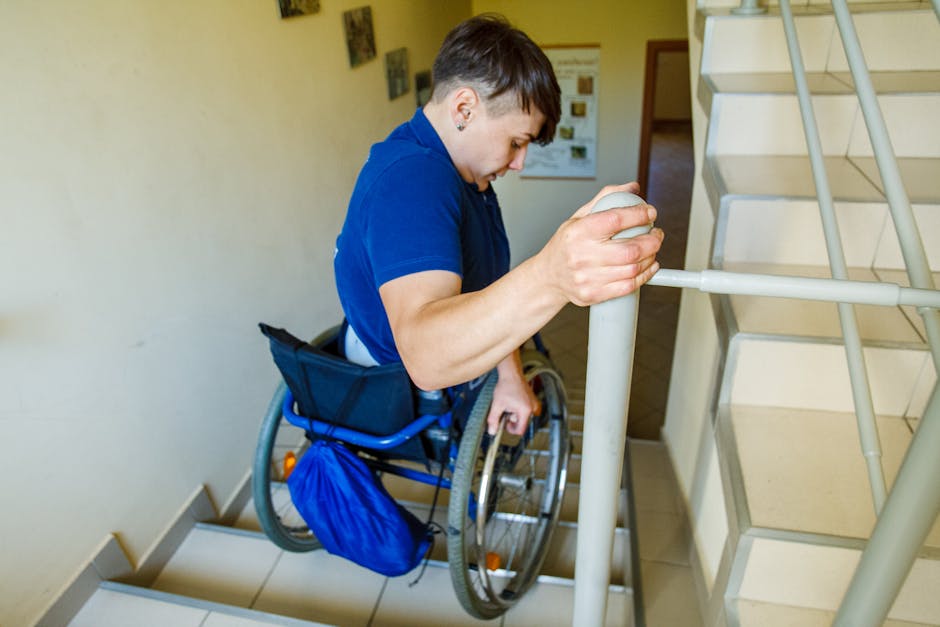
If you are trying to move in or out of a flat in Mile End and the building access is awkward, you are not alone. Tight stairwells, no lift, double-parked streets, permit pressure, and a van that can't sit right outside the door can turn an ordinary move into a bit of a grind. That is exactly where Tough access Mile End removals for stair and parking challenges comes in: a careful, planned approach that keeps your belongings moving safely even when the site itself is making life difficult.
In this guide, we will break down how access-heavy moves work, what the risks are, how professionals plan around stairs and parking, and what you can do before moving day to save time, money, and a fair bit of stress. If you are moving a sofa up three flights at the end of a narrow landing, or juggling a van space on a busy London street, this one is for you.
- Why tough access removals matter
- How the process works
- Key benefits and practical advantages
- Who this is for
- Step-by-step guidance
- Expert tips for better results
- Common mistakes to avoid
- Tools, resources and recommendations
- Law, compliance and best practice
- Options and comparison
- Case study
- Practical checklist
- Conclusion
- Frequently asked questions
Why Tough access Mile End removals for stair and parking challenges Matters
Tough access is not just an inconvenience. It changes the whole shape of the move. In Mile End, many homes sit in converted Victorian terraces, mansion blocks, purpose-built flats, and mixed-use buildings where access can be narrow, shared, or just plain awkward. The problem is not only the stairs. It is the combination of stairs, doors that open the wrong way, low ceilings, sharp corners, and limited stopping space outside.
Parking adds another layer. If the van cannot stop close to the entrance, every item has to travel further by hand. That means more carrying time, more fatigue, and more chances of bumping walls, nicking paintwork, or dropping something heavy. Let's face it, a moving day that starts with a 40-metre carry and ends with a 40-metre carry feels a lot longer than it sounded on paper.
This is why access planning matters so much. A move that looks straightforward from the outside can become slow and expensive if the team has not accounted for building layout, local street conditions, or loading restrictions. A good moving plan is not about speed for the sake of it. It is about making the job safer, smoother, and more predictable.
For readers comparing service options, the wider context helps too. Some people only need a simple van-based move, while others need a broader support package from a team that understands the full range of removal services in Mile End. If your access is genuinely difficult, choosing the right type of help can make a bigger difference than a slightly cheaper quote.
How Tough access Mile End removals for stair and parking challenges Works
In practice, tough access removals begin long before the van arrives. The best teams ask questions early: How many floors? Is there a lift, and does it fit a sofa or mattress? Is the parking bay outside the property available, or will the vehicle need to be staged further away? Are there time restrictions, school-run traffic, or one-way streets that make stopping difficult?
That information shapes the plan. A move may be scheduled for an earlier slot to catch quieter roads. The van may be sized to suit the site, especially if space is limited. Items may be dismantled in advance so they can travel through stairwells more safely. And if the move involves especially bulky furniture, the crew might decide on a different carry method, a two-person lift, or temporary storage if timing becomes tricky.
If you are moving from a flat, it also helps to prepare the property itself. For example, you can read up on flat removals in Mile End to understand how smaller access points and communal areas are usually handled. The same logic applies whether you are on the second floor of a narrow block or moving from a top-floor conversion with a turn in the staircase that looks almost designed to test patience.
Parking strategy is another core part of the process. A crew may assess whether they can legally and safely load from the front, rear, or side of the property. They may also bring trolley equipment, furniture blankets, and extra straps so the loading sequence stays tight even if the van is a short walk away. It sounds simple. It is not always simple. But it is manageable when the planning is done properly.
Key Benefits and Practical Advantages
When access is awkward, the right approach delivers more than convenience. It reduces risk, protects your belongings, and keeps the move from dragging on endlessly. That is the real gain.
- Lower injury risk: Heavy lifting on stairs is one of the fastest ways to strain a back, shoulder, or knee.
- Less damage to property: Careful routing and proper equipment reduce scuffs, chips, and knocks on walls, bannisters, and door frames.
- Better time control: A planned loading zone and item sequence can save a surprising amount of time.
- Less stress on move day: You are not improvising at the kerbside while holding a wardrobe panel and trying not to swear.
- Smarter use of labour: The right team size and vehicle choice help prevent wasted effort.
There is also a practical benefit people sometimes overlook: access planning helps with budget control. A move that goes smoothly is usually less prone to overruns caused by delays, repeated trips, or last-minute equipment hire. For anyone comparing providers, it is worth looking at pricing and quotes carefully, because the cheapest headline figure is not always the best value once access issues are factored in.
Expert summary: Tough access moves are won or lost in the planning stage. If the stairs, entrance, and parking are assessed honestly before move day, the actual lifting becomes the easier part.
Who This Is For and When It Makes Sense
This kind of move support is a good fit for anyone facing awkward building access or street restrictions. It is especially useful if you are in a top-floor flat, a conversion with tight bends, or a property where parking outside is unreliable.
Here are the most common situations where a tough access plan makes sense:
- People moving from upper-floor flats without a lift
- Students leaving shared accommodation, especially in busy parts of Mile End near Queen Mary University
- Households with large furniture like beds, wardrobes, sofas, or white goods
- Office teams moving out of compact premises with stair-only access
- Anyone with restricted parking or timed loading bays
It also makes sense when the item list includes fragile or awkward objects. A piano, for instance, is a very different proposition from a stack of boxes. If that sounds like your situation, it is worth reading about specialist piano moving before you assume a standard lift will do the job.
Truth be told, even a move that seems "small" can be demanding if the access is bad. A one-bedroom flat on the fourth floor with no lift can feel harder than a larger house move with driveway access. Size of the property does not tell the whole story.
Step-by-Step Guidance
If you want a smoother move, the safest way is to treat access as part of the move plan, not as a side note. Here is a practical step-by-step outline.
- Survey the access properly. Count the stairs, check corridor width, note tight corners, and look at where the van can stop without causing issues.
- Identify the biggest items. Sofas, beds, wardrobes, fridge freezers, and desks should be listed first because they are the most likely to need dismantling or special handling.
- Decide what should be taken apart. Bed frames, shelving, and some furniture can often be broken down to make stair movement safer. If you need help planning this part, bed and mattress moving guidance can be useful.
- Pack for carry efficiency. Heavier items should go in smaller boxes. That sounds obvious, but people still fill huge boxes with books and then wonder why they are impossible to shift.
- Reserve the parking plan early. If space is tight, consider the time of day carefully and check how far the carry route will be from the van to the door.
- Protect the property. Use covers, blankets, and corner protection where needed. A good team will also watch for bannisters, paintwork, and tight stair edges.
- Load in a smart order. Heavy items and large furniture should go in first, with fragile items secured so they do not shift in transit.
- Keep the route clear. The staircase and landing should be free from loose shoes, bins, laundry, and random clutter. It is amazing how often a tiny obstacle becomes the annoying thing that slows everything down.
A lot of people also benefit from good decluttering before the move. Fewer unnecessary items means fewer trips up and down the stairs, which is exactly what you want in a tough-access situation. A practical read on decluttering before moving can help you trim the load without making the process feel overwhelming.
Expert Tips for Better Results
There are a few habits that consistently make access-heavy moves easier. None of them are dramatic, but they add up.
1. Measure the awkward bits, not just the room size. The width of the landing, the height of the stairwell, the angle of the turn, and the size of the lift door matter far more than how large the flat looks on a listing.
2. Put the load sequence on paper. A simple list of what goes first, what needs two people, and what must stay upright saves a lot of wandering around on the day.
3. Use smaller boxes for dense items. Books, tools, vinyl, and kitchenware are notorious for becoming painfully heavy. Smaller boxes are not glamorous, but they are kind to your back.
4. Keep one person free to manage the route. In narrow stairs, it helps if someone is not carrying anything and can open doors, warn about corners, or spot hazards. It sounds a bit old-school, but it works.
5. Build in buffer time for parking. If the van has to wait or move, the whole pace can wobble. A bit of slack in the schedule makes the day feel less brittle.
If you are dealing with awkward access and a tight timetable, same-day help can be useful, but only when the logistics still make sense. Same-day removals in Mile End are best used when the property and parking plan are still reasonably manageable, not as a substitute for planning.
And one more thing: take photos of the stairwell, entrance, and parking bay in advance. Not because it is fashionable. Because memory gets fuzzy when you are trying to remember whether that corner was tight or really tight.

Common Mistakes to Avoid
The same few mistakes tend to cause most access-related headaches. Avoiding them will make your move calmer straight away.
- Assuming the van can stop anywhere. In London, that assumption can unravel quickly.
- Underestimating stair fatigue. Stair carries are tiring even for fit people.
- Leaving all packing until the night before. Rushed packing creates awkward boxes and more breakage risk.
- Ignoring furniture dimensions. A wardrobe that fits a room may not fit a stairwell.
- Not planning for dismantling. If something must come apart, you want the tools and time ready.
- Using oversized boxes for heavy items. It is a common one. Still happens. Still painful.
Another quiet mistake is forgetting about specialist items. A piano, mattress, or large sofa may need different handling than everyday furniture. For sofa-related storage and care considerations, professional sofa storage guidance can help you think beyond the immediate move.
Also, do not assume that a short move means a simple move. Short distance removals can be just as demanding if the loading route is awkward, and local traffic can still eat time. That is one reason people moving locally often look at short-distance removals around Mile End for extra context.
Tools, Resources and Recommendations
You do not need a warehouse full of equipment to manage a tough access move well. A small set of practical tools goes a long way.
| Tool or resource | What it helps with | Why it matters |
|---|---|---|
| Furniture blankets | Protecting surfaces and corners | Reduces scuffs during stair carries and loading |
| Straps and ties | Securing bulky loads | Keeps items stable in the van and on the move |
| Hand trolley or sack truck | Moving heavier items over short distances | Useful when parking is distant from the entrance |
| Small sturdy boxes | Dense household items | Prevents overloading and awkward lifting |
| Basic dismantling kit | Taking apart beds, shelving, or furniture | Makes tight stair access more realistic |
| Access notes and photos | Pre-move planning | Helps the team visualise problems before arrival |
For packing itself, a structured approach matters more than fancy materials. If you want a more detailed look at preparation, packing with precision and ease is a useful companion read. And if you want to reduce the mess before the move, keeping the home clean during transition can also make the final handover easier.
When the move involves white goods, be careful with storage prep and appliance handling. A freezer, for example, is not something you want to drag around unprepared. Guidance on storing an unused freezer can be handy if the timing between move-out and set-up is not immediate.
Law, Compliance, Standards, or Best Practice
For most homeowners and tenants, the main compliance concerns are practical rather than legal: safe lifting, avoiding obstruction, and respecting building rules. In shared buildings, you may also need to follow landlord, managing agent, or leaseholder instructions about lift use, communal areas, and loading times. Those instructions are not always exciting reading, but they do matter.
From a best-practice point of view, a removal team should work in a way that reduces risk to people and property. That includes using appropriate lifting techniques, keeping routes clear where possible, and not blocking access for neighbours or emergency vehicles. If a job needs two people, it should be treated as a two-person job. No heroics. Nobody wins when someone twists awkwardly on a staircase.
Health and safety should be visible in the way the team works, not just in a policy page. If you want to understand the general approach, it is sensible to review a company's health and safety policy and their insurance and safety information. For people who value wider service transparency too, pages such as about the company, terms and conditions, and payment and security can help set expectations before booking.
Accessibility also deserves a mention. If a building has limited access or if a customer has mobility needs, clear communication and sensible adjustments can make a move more inclusive and less stressful. That is not a box-ticking exercise; it is just good service.
Options, Methods, or Comparison Table
There is more than one way to handle a difficult access move. The best option depends on property layout, item volume, parking pressure, and how much heavy lifting is involved.
| Method | Best for | Pros | Limitations |
|---|---|---|---|
| Single van, standard team | Moderate access challenges | Simple, flexible, often cost-effective | May struggle with long carries or bulky items |
| Smaller van with more manoeuvrability | Busy streets and tight parking | Easier to position near the property | May need more trips if load is large |
| Two-person carry with dismantling | Narrow stairs and awkward furniture | Safer for items and people | Takes preparation and time |
| Move with temporary storage | Complex timing or phased access | Reduces pressure on the day | Requires extra coordination |
| Specialist handling for heavy or fragile items | Pianos, large wardrobes, delicate furniture | Better protection and control | Needs the right expertise |
If you are comparing options, do not only compare the van size. Compare the whole plan. A larger van is not always better if it cannot park close to the building. Sometimes the smartest choice is a smaller vehicle with a more realistic loading position. Oddly enough, smaller can be better. London does enjoy a bit of irony like that.
For customers moving furniture specifically, it can also help to review furniture removals in Mile End alongside removal van options in Mile End, because the right vehicle and handling plan often go hand in hand.
Case Study or Real-World Example
Here is a realistic example based on a typical Mile End move. A couple were moving out of a second-floor flat in a narrow terrace conversion. The staircase had a sharp turn halfway up, the building shared an entrance with another flat, and the only usable parking was a short walk away because the street was already busy by mid-morning.
Instead of treating it as a standard two-bedroom move, the team walked through the access first. The bed was dismantled. The sofa was checked against the stair width. Boxes were repacked so the heaviest items were kept small enough to carry safely. The van was positioned as close as the street allowed, and the loading order was planned so the heaviest pieces moved first while everyone still had energy.
The result was not magic, just good judgment. The move still took effort, naturally. There were still a few "this corner is tighter than it looked" moments. But the day stayed controlled, no one was rushing blindly up and down the stairs, and the belongings arrived without damage.
That is the real value of tough access planning. It turns a stressful, messy job into one that feels organised and manageable. Not easy exactly. Just manageable, which is what most people really want on moving day.
Practical Checklist
Use this checklist before moving day to make a tough access job easier.
- Measure stair width, landings, and tight corners
- Check whether the lift is usable for furniture
- Confirm parking or loading restrictions
- Take photos of the route from door to van
- List all bulky and fragile items
- Dismantle beds, shelves, and large furniture where needed
- Pack heavy items into smaller boxes
- Clear hallways, stairs, and entrances
- Protect floors, walls, and bannisters if appropriate
- Set aside tools, keys, and parking details in one place
- Tell neighbours or building managers if access may be busy
- Allow extra time for loading and carry distance
If you are a student moving near campus, it is worth checking student removals in Mile End and moves near Queen Mary University for more targeted planning ideas. Student moves often involve stairs, tight timings, and not nearly enough boxes taped properly. Been there, seen that.
For people facing a full house move, the broader guide to house removals in Mile End can also help you think through the bigger picture beyond just the last flight of stairs.
Conclusion
Tough access removals are rarely difficult because of one single problem. It is the stack-up of small things: narrow stairs, a difficult landing, a van that cannot park close enough, and a move day timetable that leaves no room for guesswork. Once you see the access issue clearly, though, it becomes much easier to manage.
The key is simple. Plan the route, size up the furniture, pack in a way that respects the building, and choose a moving approach that fits the real conditions rather than the ideal version in your head. That is what makes Tough access Mile End removals for stair and parking challenges work well in practice.
For a smoother experience, work with a team that understands both the local area and the physical reality of moving in London flats and terraces. A calm, prepared move is a better move. You feel it on the day, and you appreciate it even more afterwards.
Get a free quote today and see how much you can save.
And if your move feels a bit daunting right now, that is normal. With the right plan, even a difficult staircase stops looking like the enemy.