






Mile End removals guide for moves near Mile End Tube Station
Posted on 28/04/2026
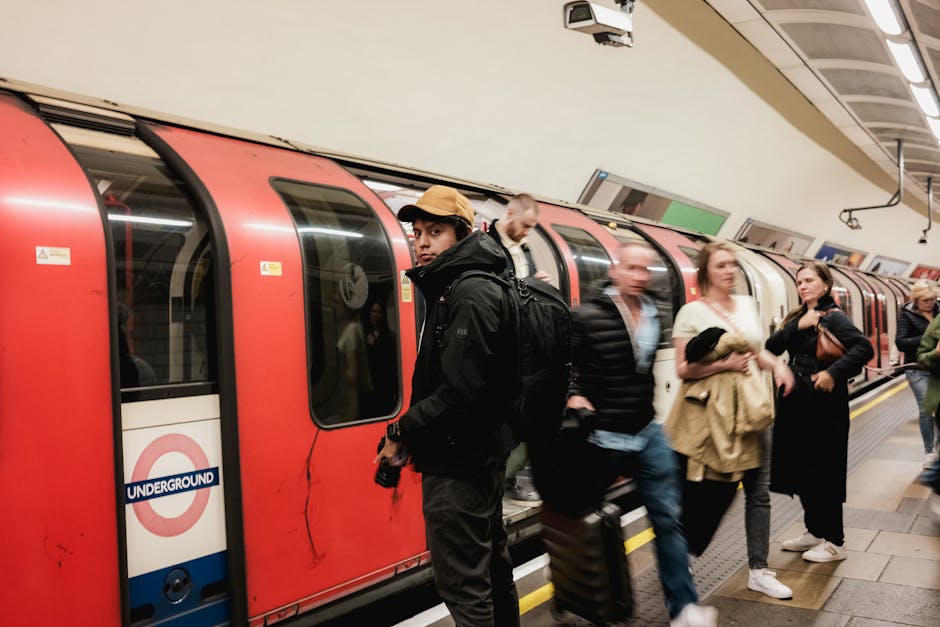
Moving home or office close to Mile End Tube Station can be straightforward on paper and surprisingly fiddly in real life. Narrow streets, busy foot traffic, timed loading, flats above shops, and the sheer pressure of moving day can turn a simple local relocation into a logistical puzzle. This Mile End removals guide for moves near Mile End Tube Station is designed to help you plan sensibly, avoid common mistakes, and understand what makes a move in this part of East London run smoothly.
If you are relocating a studio flat, a family home, student accommodation, or an office nearby, the same principles apply: prepare early, reduce what you move, choose the right vehicle, and think carefully about access. A move near a Tube station has its own rhythm, and once you understand that rhythm, everything gets easier. You will also find helpful internal resources throughout this guide, including practical support on local Mile End removals services, packing and boxes in Mile End, and pricing and quotes if you are still comparing options.
Expert summary: the closer your move is to Mile End Tube Station, the more your success depends on access planning, realistic packing, and a removal team that understands local loading conditions.
Why Mile End removals guide for moves near Mile End Tube Station Matters
Moves close to Mile End Tube Station are rarely "just a van and a few boxes." The area is well connected, which is great for daily life, but that same connectivity can create pressure on roads, pavement space, and building access. If you are moving at the wrong time or without a plan, delays can start stacking up very quickly. A couple of minutes searching for a parking spot, a building entry code that does not work, or a box stack that was packed too heavily can turn a tidy schedule into a long afternoon.
This matters because moving day has limited margin for error. Most people are balancing work handovers, tenancy deadlines, keys, cleaners, child care, or just the plain fact that they are tired. The guide is especially useful if you are moving from a flat with stairs, a student property, a small office, or a home where furniture needs to be carried a short but awkward distance. If you are also trying to clear clutter first, the article on decluttering before a move is a smart companion read.
In practice, good removals planning near the station helps you:
- avoid unnecessary waiting time for the van
- reduce carrying distance and handling risk
- protect fragile or bulky items more effectively
- make it easier to coordinate keys, lift access, and arrival windows
- keep stress down when the day starts moving fast
That last point is not a small thing. Calm, organised moves tend to stay on schedule. Chaotic ones tend to snowball. Truth be told, most moving problems near busy London transport hubs are predictable if you know what to look for.
How Mile End removals guide for moves near Mile End Tube Station Works
A successful local move follows a simple pattern: assess access, reduce volume, pack properly, choose the right vehicle, and coordinate timing. The details matter more than the headline. A one-bedroom flat move near Mile End can look very different from another one-bedroom move just a few streets away because of staircases, loading restrictions, road layout, or whether furniture can be brought out through a side passage.
The most useful way to think about the process is in stages:
- Pre-move review: list every item that needs to go, including awkward furniture, appliances, and anything needing disassembly.
- Access check: confirm whether the property has steps, narrow entrances, lift use, permit needs, or difficult kerb access.
- Packing and protection: use the right materials for glass, electronics, soft furnishings, and household goods.
- Vehicle matching: select a van or removal service suitable for the volume and street conditions.
- Loading and transport: load in a safe sequence so heavy, stable items support lighter ones.
- Unloading and placement: place items by room to avoid re-handling everything later.
If you are moving a mix of furniture and personal items, a local service like man and van in Mile End can be useful for smaller jobs, while larger homes may need a more full-service option such as house removals in Mile End. The right fit depends on size, access, and how much help you want on the day.
One practical point people sometimes overlook: station-adjacent streets can be more forgiving early in the day than mid-morning or late afternoon. If the route to your property includes busier pedestrian flow, it is often better to plan for the quietest feasible window rather than assume the job will only take an hour anyway.
Key Benefits and Practical Advantages
Planning properly for a move near Mile End Tube Station gives you more than convenience. It changes the whole moving experience.
Less time lost to access problems
When you have thought through parking, entry points, and carrying routes in advance, the crew can work instead of wait. That matters most in streets where stopping points are limited or where the van cannot sit at the door for long.
Lower risk of damage
Better planning means less rushed lifting, fewer unnecessary turns through tight hallways, and less temptation to "make it fit" with an item that should have been dismantled. If you have large or awkward pieces, a dedicated service for furniture removals in Mile End can reduce strain on both your home and your nerves.
Better packing discipline
Moves become easier when every box has a purpose. Kitchen items together, books separately, linens compressed neatly, and fragile items clearly protected. It sounds basic, but it saves time at both ends. For a more detailed packing approach, see the packing guide for moving.
More control over cost
When your inventory is clear and you know what needs disassembly, storage, or specialist handling, quotations are easier to compare. You are less likely to pay for unnecessary vehicle space or extra trips that could have been avoided.
Reduced moving-day stress
This may be the biggest benefit of all. A tidy plan gives you momentum. Momentum matters when you are tired and the day is not going to wait for you.
Who This Is For and When It Makes Sense
This guide is for anyone moving near Mile End Tube Station, but certain movers will get the most value from it.
- Flat movers: especially if your building has stairs, a shared entrance, or limited lift access. A dedicated flat removals service in Mile End can be a better match than a generic van hire.
- Students: if you are moving between term-time accommodation, halls, and shared houses, speed and budget often matter most. The page for student removals in Mile End is useful here.
- Families: more belongings, more furniture, more coordination. House moves reward early preparation.
- Office movers: if desks, monitors, files, or network equipment need to be moved without disrupting work too badly, timing and sequence become critical.
- Anyone on a deadline: end-of-tenancy dates, completion days, or last-minute key handovers leave little room for improvisation.
It also makes sense for anyone who does not want to do the heavy lifting alone. Let's face it, some items look very manageable until you have reached the second floor and your hands have decided otherwise. If that sounds familiar, the advice on solo heavy lifting is worth a look before you attempt anything ambitious.
Step-by-Step Guidance
Here is a practical, no-nonsense way to approach a move near Mile End Tube Station.
1. Start with a clear inventory
List every room and note bulky items, fragile items, and anything that needs special care. This helps you estimate the van size, the number of movers, and whether any items should be transported separately.
2. Measure the awkward pieces
Measure beds, wardrobes, sofas, tables, and appliances before moving day. If an item will not pass through the door or around a turn, you need to know that early. The guide on bed and mattress moving is especially useful if your bedroom furniture is oversized or difficult to manoeuvre.
3. Sort, declutter, and donate
Moving is the easiest time to reduce what you own. Unused small appliances, duplicate utensils, old paper piles, and clothes you never wear are all good candidates for a lighter load. Fewer items mean fewer boxes, faster loading, and lower transport pressure.
4. Pack by category, not by panic
Keep similar things together and label each box clearly. Use strong tape, padding, and proper box sizes. Put heavier items in smaller boxes so they are easier to carry safely. If you need supplies, check packing and boxes in Mile End.
5. Protect furniture and appliances
Wrap corners, remove loose shelves, secure drawers, and defrost fridges or freezers in advance if they are being moved. Sofas and mattresses benefit from covers that keep them clean during transport. For long-term storage or careful handling, the article on sofa storage guidance can help you avoid unnecessary wear.
6. Confirm access details
Check the move-in and move-out address for lift access, keys, buzzers, and any instructions about where the van can stop. If parking is tight, make a back-up plan. A good removal team should ask these questions before the day arrives, not after.
7. Schedule the move realistically
Build in buffer time. A move that looks simple on paper usually takes longer than expected once real-world access, traffic, and packing are involved. If you need a faster turnaround, local same-day support may help, and same-day removals in Mile End is worth considering for urgent situations.
8. Clean and hand over properly
Once the property is empty, check for forgotten items, quick repairs, and a clean handover. End-of-tenancy cleaning is often the last task people want to think about, but it makes a real difference to a smooth exit. See moving house cleaning advice for a useful framework.
Expert Tips for Better Results
A few small decisions can make a local move noticeably easier.
- Use one box type where possible: mixed sizes are fine, but having too many odd-shaped boxes makes stacking harder and wastes van space.
- Photograph cable setups: this saves time when reconnecting TVs, routers, monitors, and office equipment.
- Pack an essentials bag: medications, chargers, toiletries, keys, snacks, and important documents should travel with you, not the van.
- Keep hardware together: screws, shelf pins, and assembly parts should be bagged and labelled with the furniture they belong to.
- Disassemble only where it helps: some furniture should be taken apart; some should not. Over-disassembly creates more risk than value.
- Use the right help for the right task: heavy items, fragile instruments, and oversized furniture benefit from specialist handling. For sensitive items, the page on piano removals in Mile End shows why experience matters.
Another grounded tip: keep one room as a "last out, first in" zone for essentials that will be needed immediately after arrival. It prevents that annoying first-night scavenger hunt where nobody can find the kettle. Small win, big relief.
If you are comparing service styles, removal services in Mile End can cover a range of needs, while a lighter man with a van in Mile End option may suit smaller, simpler jobs.

Common Mistakes to Avoid
The most expensive moving mistakes are often the simplest ones.
- Underestimating access: if the van cannot stop close enough, every item takes longer to move.
- Packing too late: last-minute packing usually leads to broken items, missing labels, and stressed decisions.
- Using oversized boxes for heavy items: books, tools, and crockery should not be packed into giant boxes unless you enjoy back strain and regret.
- Leaving furniture assembled when it should be dismantled: this is a common cause of damage in narrow stairwells.
- Not checking lift or building rules: some buildings need notice, protection mats, or booking arrangements.
- Forgetting disposal or storage needs: if you are not taking everything with you, separate those items early. The page on storage in Mile End can help if there is a gap between moves.
There is also a quiet, everyday mistake that causes trouble: assuming every box is "light enough" because it can still be lifted. Lifting and carrying are not the same thing, especially on stairs. If you want a deeper look at safe handling, read the practical advice on lifting heavy objects by yourself.
Tools, Resources and Recommendations
You do not need specialist kit for every move, but a few items are consistently useful.
| Item | Why it helps | Best use |
|---|---|---|
| Strong double-walled boxes | Holds weight better and reduces crush risk | Books, kitchenware, mixed household goods |
| Packing tape and tape dispenser | Speeds up sealing and reinforcement | All box types |
| Bubble wrap or paper cushioning | Protects fragile items from movement | Glass, decor, electronics |
| Furniture blankets | Prevents scuffs and edge damage | Sofas, tables, wardrobes |
| Mattress bag or cover | Helps keep mattresses clean and dry | Bed moves |
| Labels or marker pens | Makes unloading faster and more organised | Every box and bag |
For deeper preparation, these resources are especially relevant:
- packing efficiently for a move
- why decluttering pays off
- freezer storage and appliance care
- specialist piano moving guidance
If you want a fuller picture of the business, trust, and support side of the service, you can also review the company's about us page and the practical health and safety policy. Those pages are useful if you are comparing providers and want a clearer sense of how they operate.
Law, Compliance, Standards, or Best Practice
Most home moves are not governed by one single "moving law," but there are several UK best-practice points worth keeping in mind. The first is health and safety: movers should use sensible manual-handling methods, appropriate equipment, and a cautious approach to awkward or heavy items. This is especially relevant in stair-only properties and buildings with tight turns.
Second, access and parking need respect. In busy parts of East London, the safest approach is to check local parking arrangements, loading practicality, and any restrictions before the moving team arrives. If a road is hard to stop on, plan for it. Do not assume it will sort itself out.
Third, insurance matters. It is sensible to understand what is covered, what is not, and how items are handled if something unexpected happens. If you are comparing providers, a clear insurance and safety page is a good sign, because it shows the company is willing to be transparent.
Finally, terms, payment processes, and cancellation expectations should be read before you commit. That is not thrilling reading, admittedly, but it prevents confusion later. The same goes for recycling and responsible disposal, particularly if you are leaving behind unwanted furniture or packing waste. For environmentally conscious moves, see recycling and sustainability information.
Options, Methods, or Comparison Table
People moving near Mile End Tube Station usually choose one of three approaches. Each has a place, depending on budget, item volume, and how much lifting you want to do yourself.
| Option | Best for | Advantages | Trade-offs |
|---|---|---|---|
| Self-move with hired van | Very small loads, flexible schedules | Lower cost, full control | You do all the planning, lifting, and risk management |
| Man and van | Studio flats, student moves, partial loads | Good balance of cost and help | May be less suitable for larger or highly complex moves |
| Full removal service | House moves, offices, fragile or bulky items | Less stress, more support, better handling | Usually the most expensive option |
If you are not sure where your move fits, the simplest rule is this: the more furniture, stairs, fragile items, or time pressure you have, the more value you get from professional help. For a broader overview of available support, visit the services overview page.
Case Study or Real-World Example
Imagine a couple moving from a second-floor flat a short walk from Mile End Tube Station into a nearby maisonette. On paper, it sounds easy. In reality, they have a sofa that does not fit neatly around the staircase turn, a bed frame that needs dismantling, and several boxes packed with books that are far too heavy for their size.
Instead of loading everything at once, they separate the job into stages. The sofa is protected and moved first while the corridor is clear. The bed frame is dismantled the day before and its fixings are bagged and labelled. The books are repacked into smaller boxes. Fragile kitchen items are given proper cushioning rather than being "carefully" wrapped in a tea towel, which is a common but deeply optimistic technique.
Because the access route was checked in advance, the van is positioned close enough for efficient loading. The move finishes faster, there is less lifting pressure, and the couple spends the evening unpacking rather than hunting for broken glass or missing screws. That is the practical value of planning.
In a larger move, a similar process might involve a more structured team and perhaps office or house removal support, but the principle remains the same: fit the service to the access, not just the postcode.
Practical Checklist
Use this checklist in the week before moving day.
- Confirm moving date, time, and access arrangements
- Check parking or loading options near both properties
- Measure bulky furniture and doorways
- Book any disassembly help needed
- Source boxes, tape, wrap, and labels early
- Declutter before packing starts
- Pack fragile items with extra protection
- Label boxes by room and priority
- Prepare an essentials bag for the first night
- Defrost and clean appliances if they are moving
- Protect floors, corners, and furniture where needed
- Keep keys, paperwork, and valuables with you
- Review insurance, terms, and payment details
- Arrange cleaning and final handover tasks
If you are still choosing between service levels, it can help to compare the move against the removal companies in Mile End page, then narrow down what you really need rather than what sounds impressive.
Conclusion
Moves near Mile End Tube Station are manageable when you treat them as a planning exercise, not a last-minute scramble. Good access checks, smart packing, realistic timing, and the right level of removal support make a major difference. Whether you are moving a small flat, a student room, a family home, or office equipment, the winning formula is the same: reduce stress before it reaches the van.
Use this guide to prepare early, ask better questions, and choose the right service for the job. If you want help from a local team that understands Mile End and nearby East London moves, explore the relevant service pages, review the practical support materials, and get in touch when you are ready.
Get a free quote today and see how much you can save.

